SB 1203: Understanding the New Training Requirements for 2029
Michael J. Bruskin, Bradley + Wellerstein, CALSAGA Legal Advisor
The talk of both Private Patrol Operators (“PPOs”) and Proprietary Security Employers (“PSEs”)everywhere this year has been Senate Bill 1203 (“SB 1203”) and how it will impact security operations across the state. This bill has gone through multiple draft versions and revisions over the course of the year, and the final bill looks quite a bit different (and less problematic) than where it started. There are still a lot of changes to be aware of, but we have two years to get ready for them.
Below is a brief overview of the most impactful provisions of SB 1203 for PPOs and PSEs:
New Training Requirements
Beginning January 1, 2029, new guards obtaining their license will require a total of 50 hours of training, an increase from the current 40 hours. The initial 8 hours of Powers to Arrest and Appropriate Use of Force remain unchanged and must be completed before a license (“Guard Card”) is issued. 18 of the remaining 42 hours must now be completed within 30 days of receiving a Guard Card, and the remaining 24 hours must be completed within 6 months of receiving a guard card.
Guards must maintain training records and produce them upon hire. Any guard hired who cannot produce the necessary training records must be sent to complete training within 6 months of hire.
Guards with current licenses are NOT required to complete the additional training so long as they maintain copies of the necessary training records to demonstrate they were trained under the old rule prior to January 1, 2029.
All guards will be subject to an increased training requirement for annual renewals occurring after January 1, 2029. Guards will be required to take 12 total hours of renewal training each year, up from the current requirement of 8 hours.
Both the annual renewal and first-time guard license training will require de-escalation training as well. This training must be taken in a classroom setting and 100% in-person, with live demonstrations. 8 hours are required for new guards, and 4 hours as part of the 12 total hours of renewal training.
Importantly, for the first time, PSEs and their Proprietary Security Officers will be held to the same high training standards as private security officers. Additionally, the fines will also be raised across the board, both for PPOs as well as PSEs, for violations, up to $10,000 per violation!
Off-Shift & Live Classroom Instruction
Beginning January 1, 2029, no training may be completed while a guard is on post. All training courses by guard employees must still be treated as time worked, but it cannot be done while they are also on post, even for otherwise remote training sessions. These must be shifts dedicated entirely to training time and compensated accordingly.
Additionally, there are increased requirements for classroom presence. The new 8 hours of de-escalation training must be conducted entirely in a live classroom environment with an instructor physically present and providing live demonstrations. All other training must now be conducted in “a traditional classroom setting”. Fortunately, this definition is broader than expected, and it means that “at least” 50% of it must be taught in a true live, in-class setting. The other half can be done remotely so long as the class is live and an instructor is available the entire time to respond to questions.
Protect Your Business!
These new training requirements will represent a real cost to PPO employers, as well as for in-house PSE budgets. For PPOs, be sure to review your existing client contracts and start planning for billing rates to account for this, either through direct compensation for training by your clients, or increased hourly rates to make up the expense of training. Start building in escalator clauses into your security services agreements to protect yourselves! While these training requirements will represent a big change, we have two years to start preparing for it.
We anticipate some court challenges between now and January 2029, and there will be additional detailed updates and educational programs available to you through CALSAGA over the next two years. But make no mistake about it: SB 1203 increased training will be taking effect. Don’t get caught unprepared — start making the necessary adjustments to your business practices and long-term contracts now.
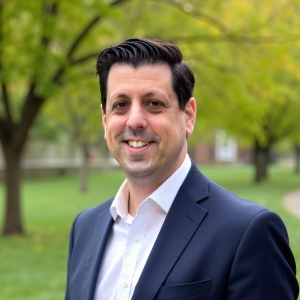
Michael J. Bruskin is Special Counsel at Bradley + Wellerstein where he provides employment advice and counsel to our clients, with substantial experience advising employers in the private security industry. Michael counsels clients on day-to-day employment matters, compliance, policies, and strategies to reduce risk while supporting business needs. He also conducts employment practices audits and helps employers navigate California’s rapidly changing employment laws with practical, business-focused solutions.
About Bradley + Wellerstein LLP
Based in Burbank, California, Bradley + Wellerstein LLP is dedicated to providing strategic representation and legal counsel in business and employment law. In addition to serving as trusted legal advisors to CALSAGA, the firm represents local, regional, statewide and national companies across a wide range of industries doing business in the State of California, with a unique expertise in the private security sector.